





In today’s environment where businesses increasingly rely on technology to operate and grow, the question “What is Zoho?” goes beyond simply understanding a software product. It is about understanding how a business can build a more efficient operating system. This article will help you clearly understand what Zoho is, its core nature, why businesses should use it, and how to choose the right Zoho products based on your growth stage.
What is Zoho?
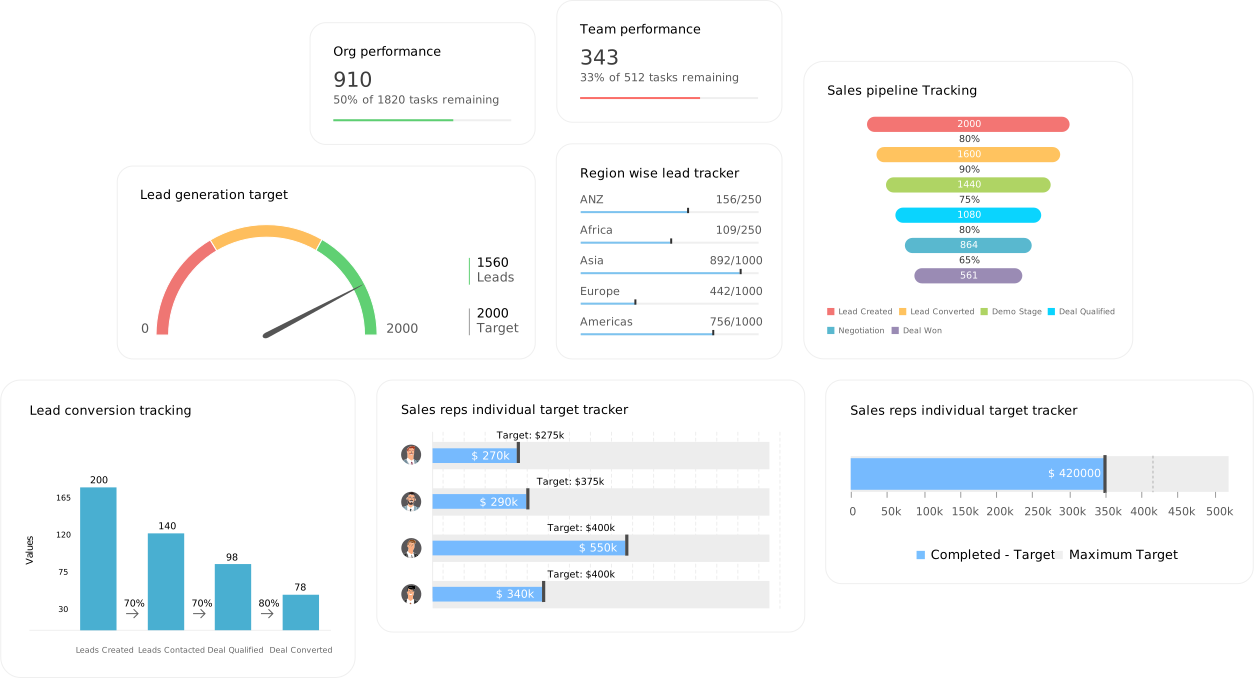
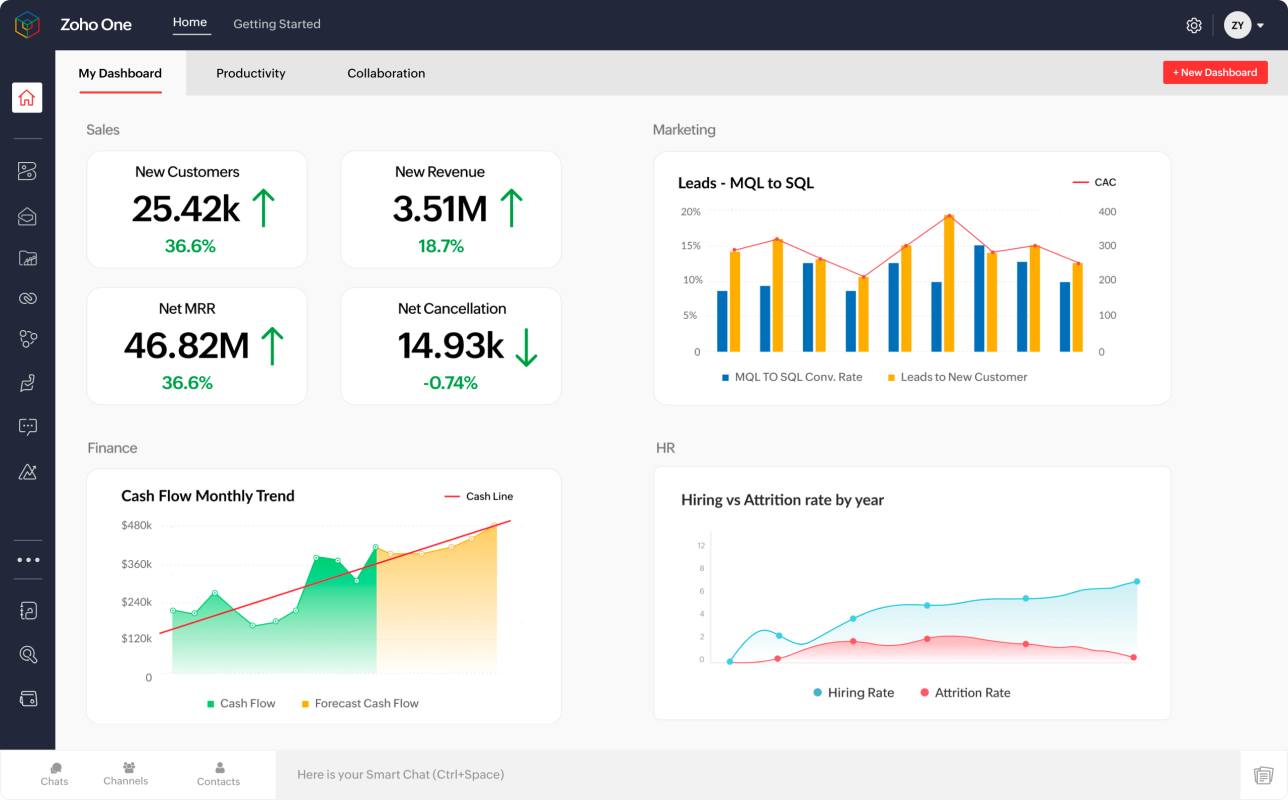
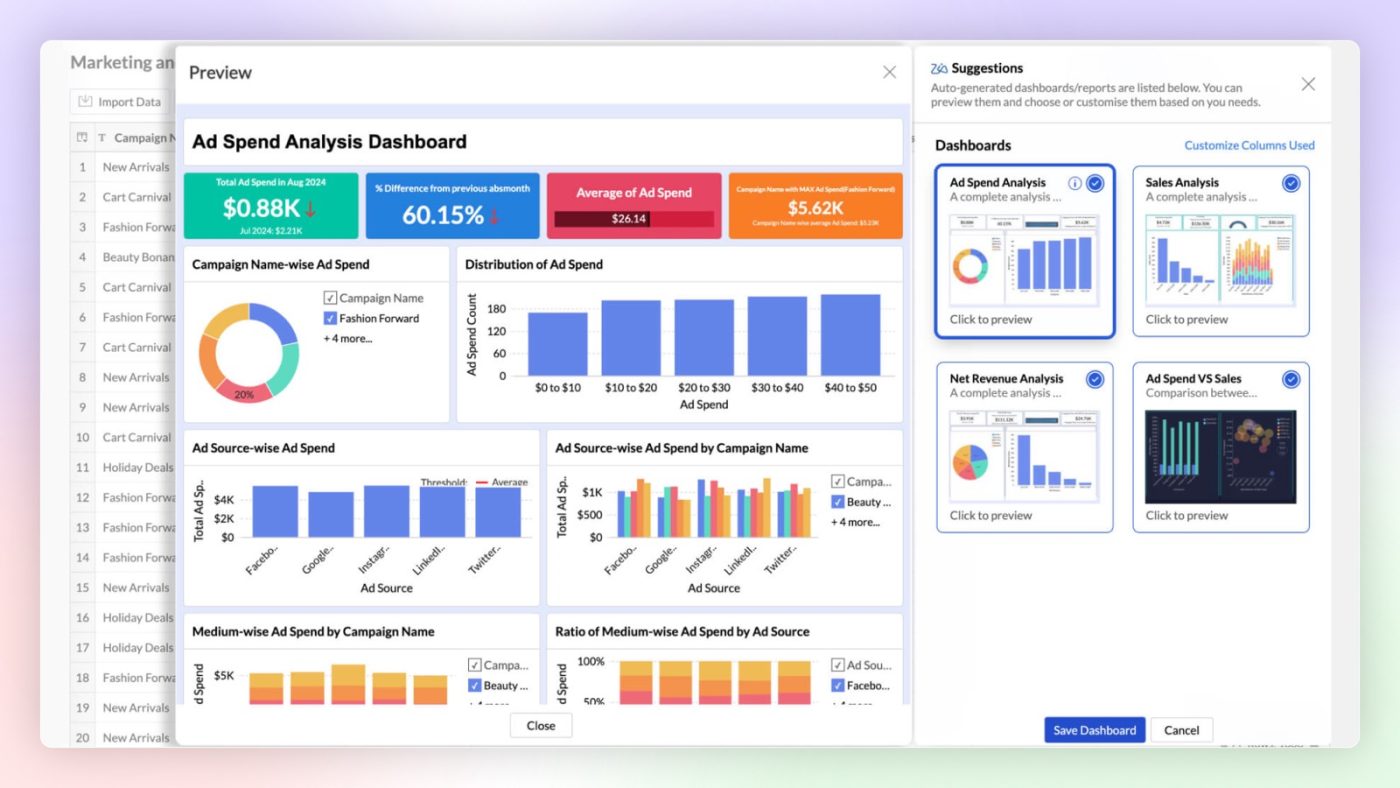
Zoho Corporation is a SaaS (Software-as-a-Service) platform that offers more than 50 applications to support business management and operations. However, if you simply think of Zoho as “a software,” you are only seeing a very small part of the bigger picture.
In reality, Zoho is an operational ecosystem where functions such as marketing, sales, customer service, internal collaboration, and data analytics are all connected within a single platform. This allows businesses not only to “get work done,” but to operate in a structured, controlled, and scalable way.
The essence of Zoho: An operating system for businesses
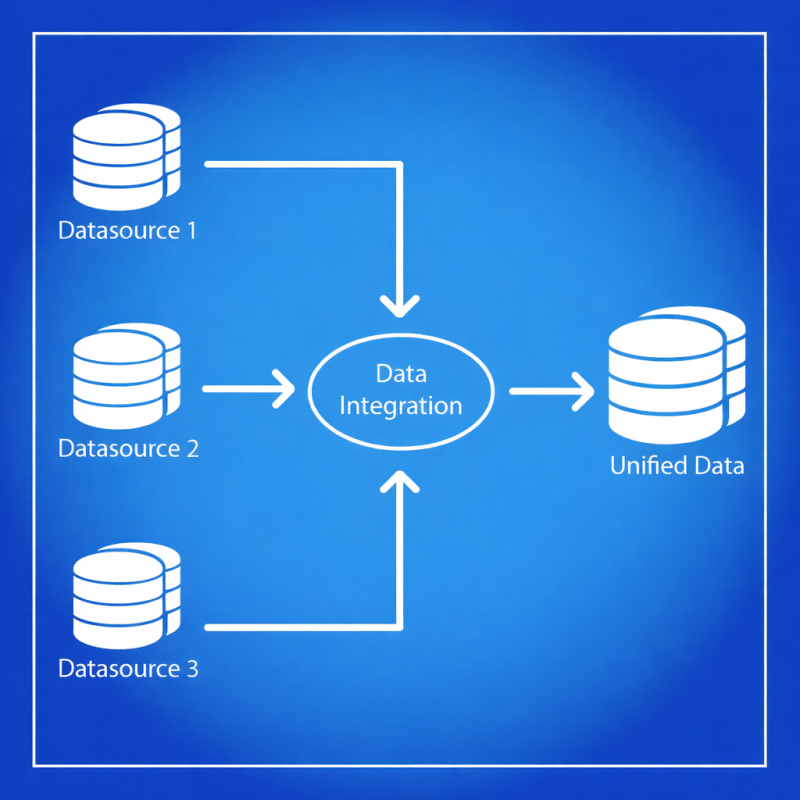
To truly understand Zoho, it should be viewed as an “operating system” rather than a standalone tool.
Most businesses today operate in a fragmented way, where each department uses different tools, data is scattered across multiple systems, and there is little to no integration. As a result, no one has a complete overview, and decisions are often based more on intuition than on data.
Zoho addresses this challenge by bringing all data and processes into a single unified system. When everything is connected, businesses gain a clearer picture of their operations: where customers come from, which stage they are in, their likelihood of conversion, and where operational bottlenecks exist.
Why should businesses use Zoho?
When operations are not standardized, businesses often fall into a familiar cycle: marketing generates leads that are not fully utilized, sales teams rely on personal experience, existing customers are not nurtured, and each month feels like starting from scratch.
Zoho breaks this cycle by creating a clear and consistent system. Every customer is recorded, every opportunity is tracked, and every action can be monitored and managed.
As a result, businesses can:
- Manage customers and sales pipelines with full transparency
- Automate repetitive processes such as follow-ups, email campaigns, and lead assignment
- Increase team productivity without increasing headcount
- Make decisions based on data rather than intuition
More importantly, Zoho doesn’t just help businesses “do things better”, it helps them do things right from the start.
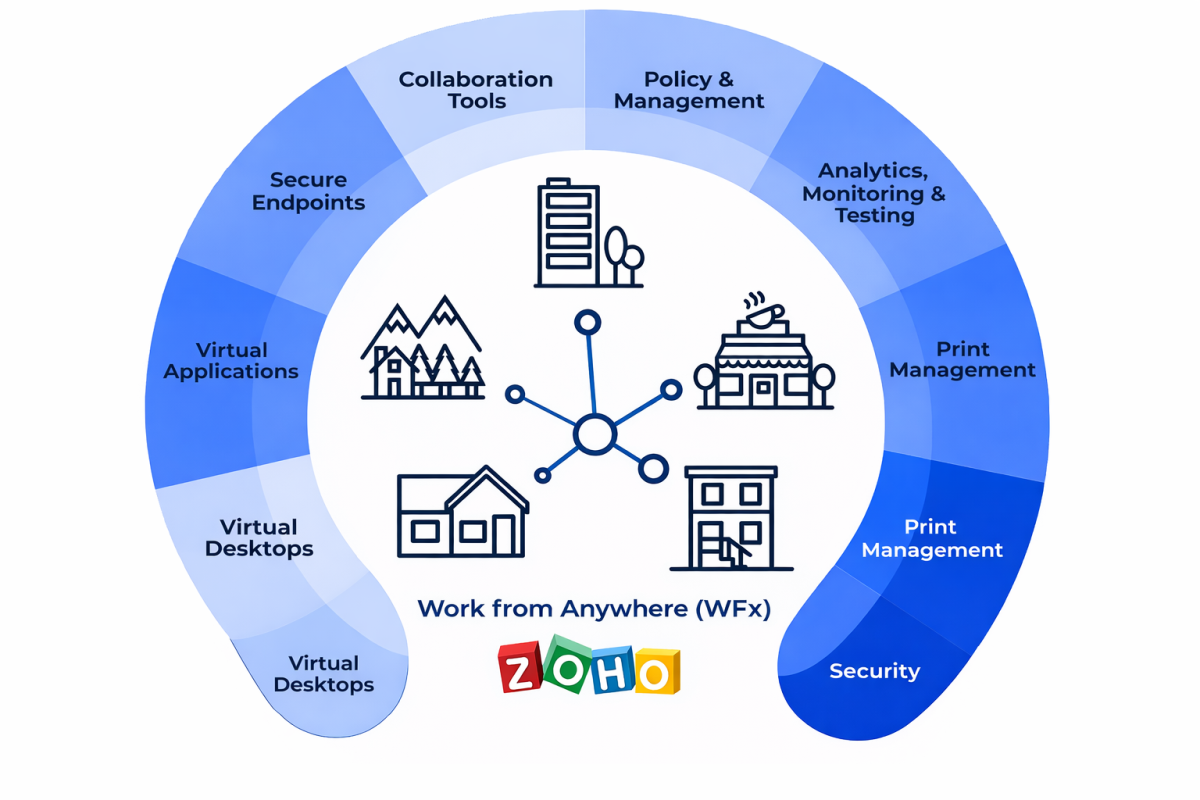
How does Zoho work in practice?
Simply put, Zoho operates on a unified, end-to-end logic:
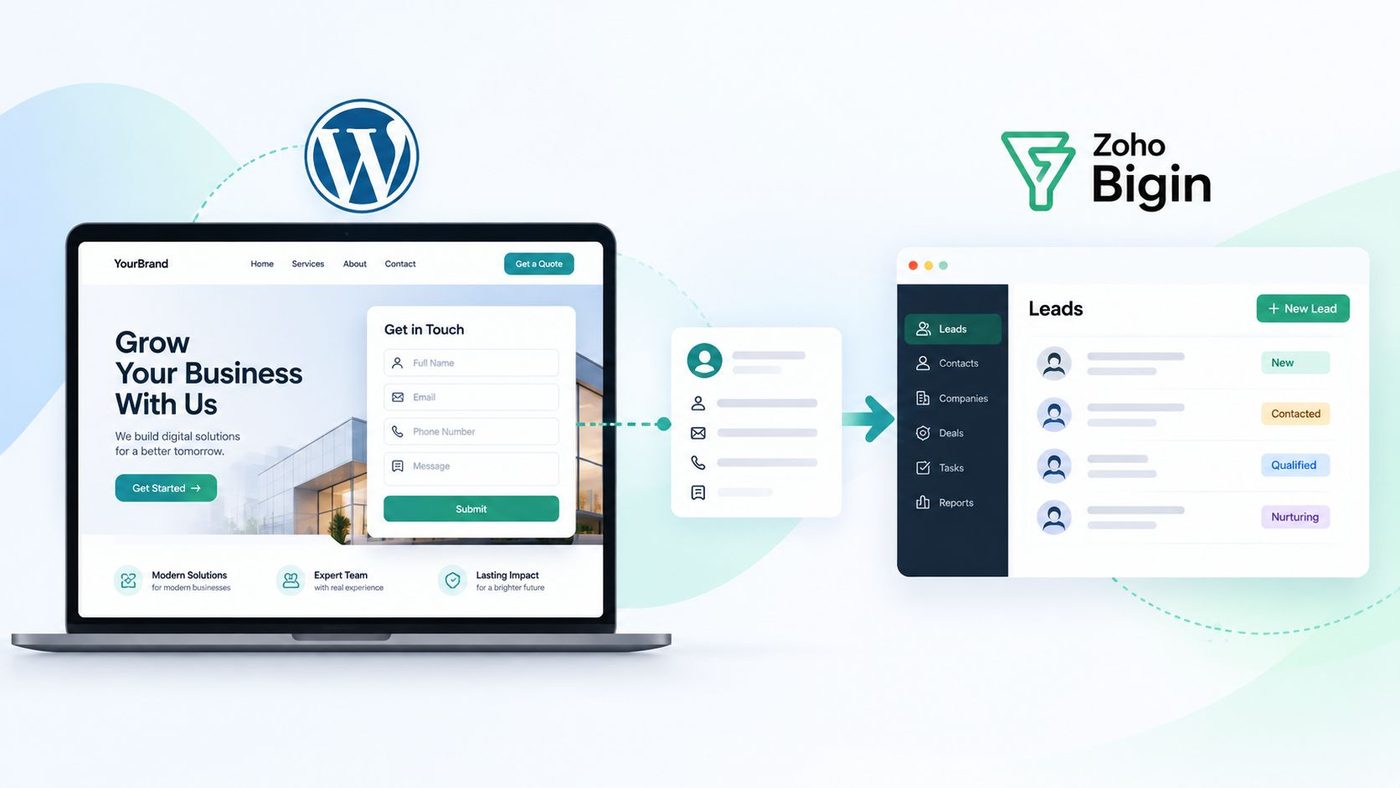
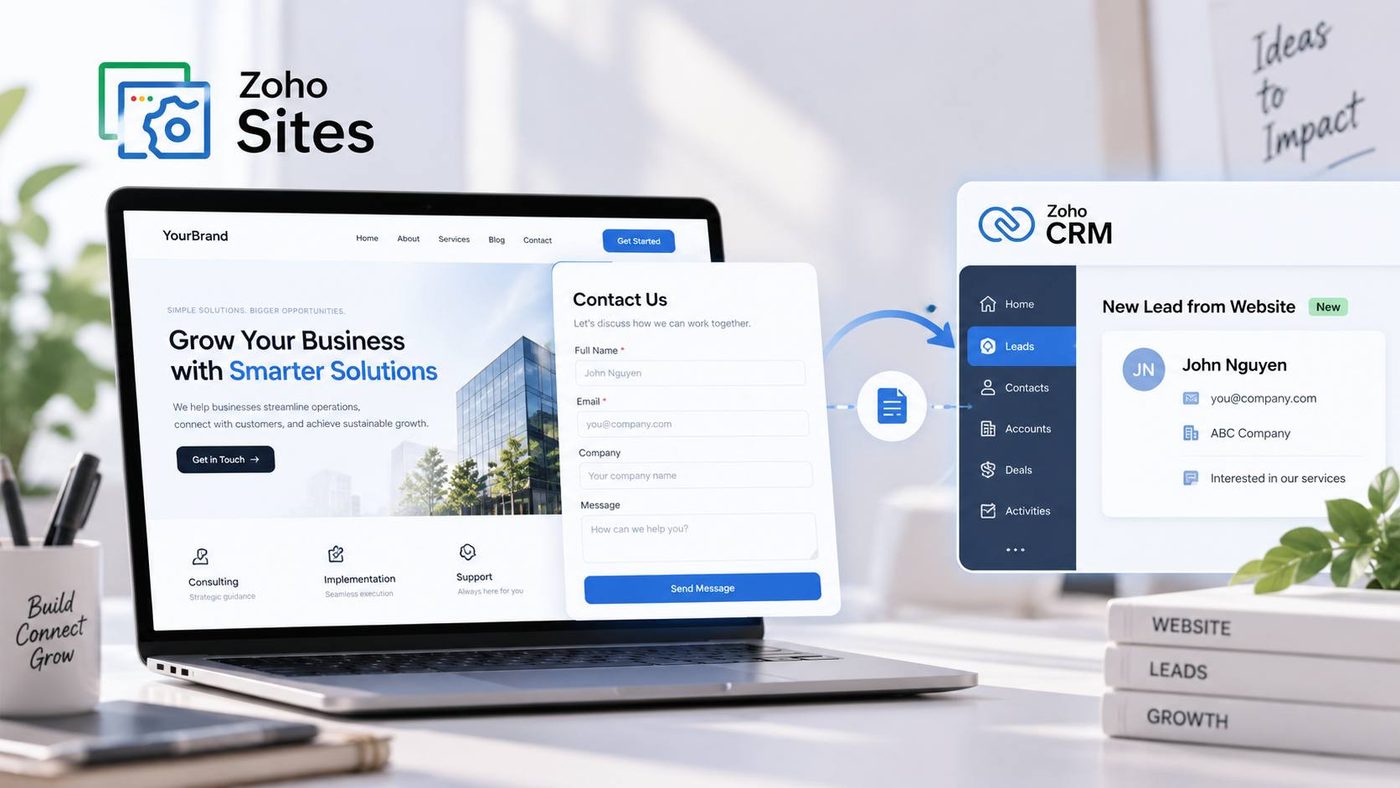
Starting from customer data collection through channels such as websites, forms, and ads, the system centralizes all information, then automatically classifies and assigns it to the responsible person. Throughout this process, workflows can be set up to send reminders, trigger follow-up emails, or activate appropriate sales scenarios.
As customers move through each stage, their entire journey is recorded. This enables businesses not only to track outcomes, but also to understand the reasons behind those outcomes.
Should you choose Zoho CRM, Zoho Workplace, or Zoho One?
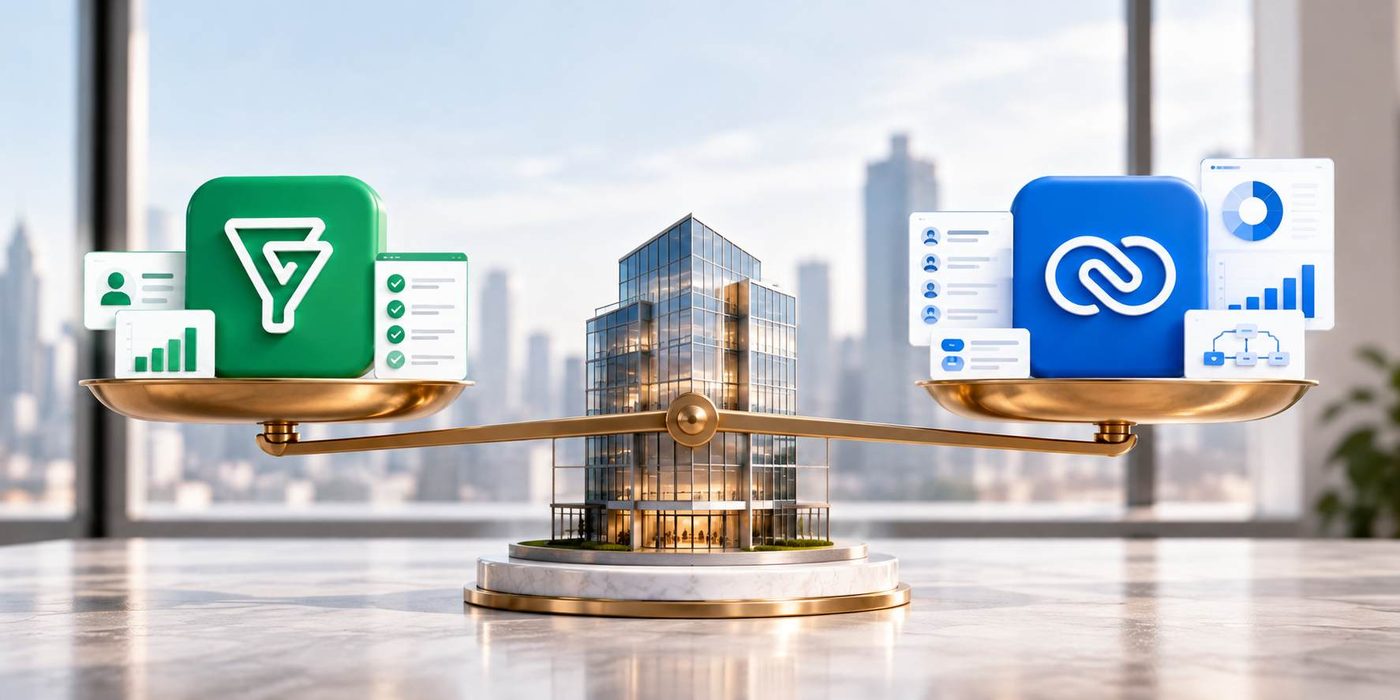
This is a common question most businesses face when they start exploring Zoho. In reality, these three products do not replace one another, but serve different purposes at different stages of business growth.
| Product | Primary Role | Best Fit For |
|---|---|---|
| Zoho Workplace | Business email and internal collaboration | Small teams that need a professional work environment |
| Zoho CRM | Customer and sales management | Businesses that already have leads and a sales team |
| Zoho One | End-to-end business operating system | Businesses looking to standardize and scale operations |
Looking at the business growth journey, companies typically start by building a working environment (Workplace), then move on to managing customers (CRM), and as they scale, adopt a comprehensive system (Zoho One).
When should you start with Zoho?
There is no “perfect” time to start, but there are clear signs to look for:
- You have many leads but don’t know where they are
- Your sales team operates without a standardized process
- Existing customers are not being re-engaged
- Data exists but does not create value
If you recognize these issues, then it is no longer just a marketing or sales problem, but a problem with your operating system.
Zoho is not a tool, but an operating platform
Zoho is not a “buy it and you’re done” solution. It only truly delivers value when a business clearly understands what it needs and how it wants to operate.
However, when implemented correctly, Zoho can become a powerful platform that helps businesses transition from fragmented work to structured operations, from intuition to data-driven decisions, and from short-term actions to sustainable growth.
Start right, not just fast
If you are exploring Zoho and want to:
- Clearly identify which products your business should use
- Design a system that aligns with your real operational needs
- Avoid making the wrong purchase or implementation decisions from the start
👉 Contact us for consultation and a tailored solution demo.
Ultimately, what matters is not whether you use Zoho or not, but whether your business is operating like a system.